
The forecast is sunny, the temps are on the rise, and the water is calling. We’re willing to bet you’re ready to answer.
From paddleboarding and kayaking to waterskiing and tubing, water adventures are a big part of summer in the Pacific Northwest. Like any outdoor activity, they come with risks. Before you launch, a few simple safety precautions can help keep your day on the water from ending with a trip to urgent care.
What are the most common water sports injuries?
Water sports can lead to a wide range of injuries – from cuts and scrapes to more serious mishaps caused by falls, collisions or prolonged sun exposure.
Some of the most common water sports injuries include:
- Cuts and lacerations from docks, rocks, shells, fishing gear or boat equipment
- Sprains and strains from paddling, lifting equipment or awkward falls
- Bruises and contusions after falling onto a board or dock, or hitting the water at high speed
- Shoulder, back and wrist injuries caused by repetitive paddling or sudden pulls while waterskiing or wakeboarding
- Head injuries or concussions from collisions with equipment or other people
- Sunburn and heat-related illness, especially during long days on the water
- Ear infections ("swimmer's ear") caused by water trapped in the ear canal
- Hypothermia, even during warmer months, if you're in cold water for an extended period
Did you know?
According to the U.S. Coast Guard, thousands of people in the U.S. are injured in recreational boating accidents each year. Many of these injuries result from preventable slips, falls and collisions.
What risks should you know before paddleboarding or waterskiing?
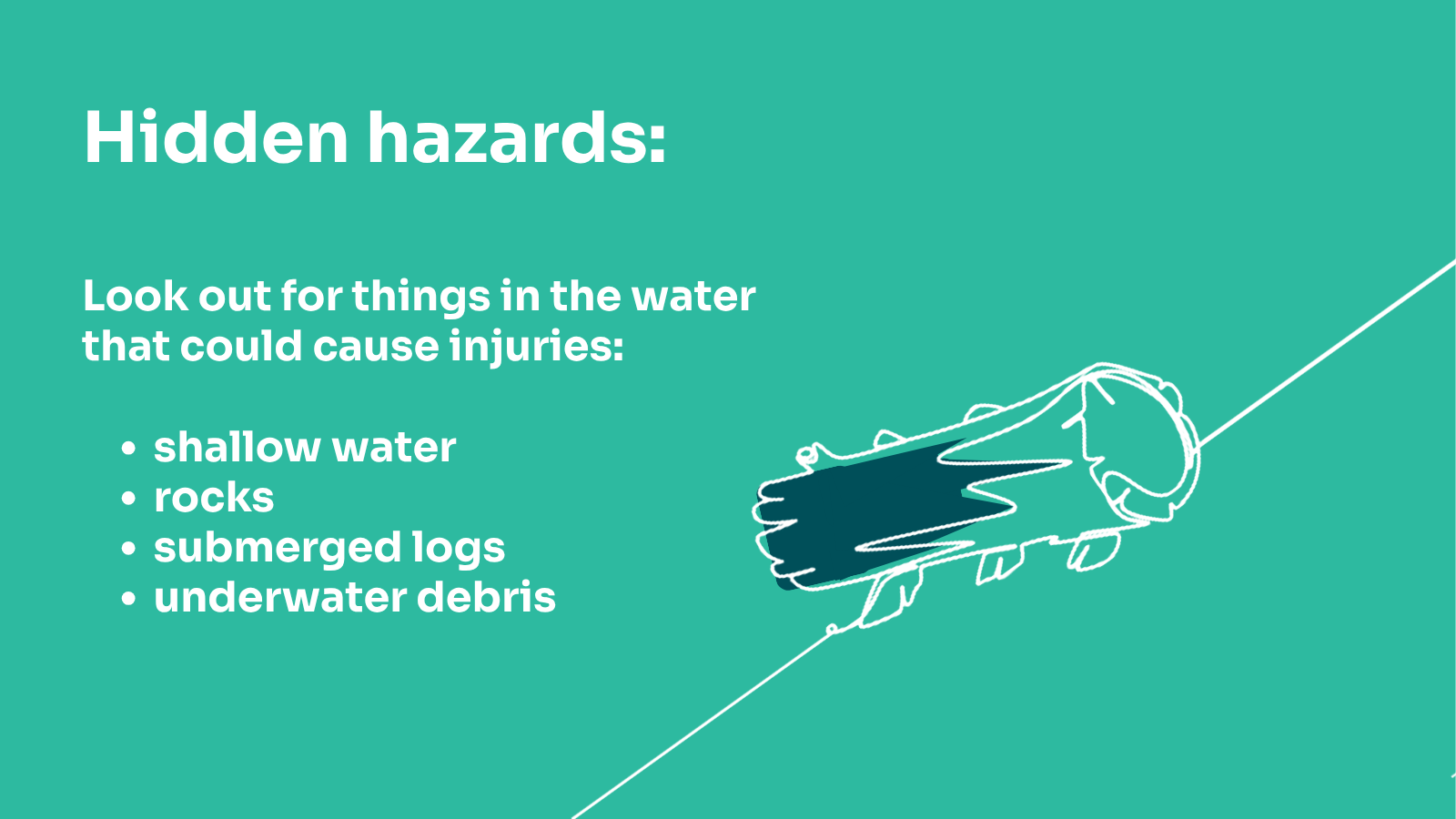
Every water sport comes with its own risks, but many injuries happen because of changing conditions or unexpected obstacles.
When you're on the water, pay attention to:
- Changing weather: Wind, waves and storms can develop quickly, making it harder to stay in control
- Cold water temperatures: Even on hot summer days, lakes and rivers can be surprisingly cold, increasing the risk of cold shock or hypothermia
- Boat traffic: Stay alert for boats, personal watercraft and other paddlers, especially in busy recreation areas
- Strong currents: Rivers and tidal areas can carry you farther or faster than expected
- Fatigue: Tired muscles can make it harder to paddle, balance or react quickly
- Slippery surfaces: Wet docks, boat ramps and rocks increase the risk of slips and falls
- High speeds: Waterskiing, wakeboarding and tubing can lead to high-speed falls, increasing the risk of muscle strains, joint injuries and head trauma
What are the best ways to stay safe on the water?
A little preparation before you head out can significantly reduce your risk of injury.
Before you head out, be sure to:
- Wear a properly fitted U.S. Coast Guard-approved life jacket
- Check the weather forecast and water conditions before launching
- Tell someone where you're going and when you expect to return
- Stay hydrated and take breaks, especially on hot days
- Apply broad-spectrum sunscreen and reapply throughout the day
- Wear water shoes or other protective footwear around docks, rocks and shorelines
- Use equipment that fits properly and is appropriate for your experience level
- Avoid alcohol or recreational drugs while operating a boat or participating in water sports
- Paddle or swim with a partner whenever possible, especially in unfamiliar conditions
If you're new to a water sport, consider taking a lesson before venturing out on your own.
Learn more about staying safe on the water, and brush up on these tips for safer swimming.
Know the flags and signs
Always read posted signs or flag warnings. They may alert you to strong currents, hazardous water conditions, harmful algae blooms or temporary closures.
What should you do after a water sports injury?
Your top priority is getting yourself – and anyone else involved – to safety.
If you experience a minor injury:
- Move to shore or a stable location.
- Clean cuts and scrapes with clean, fresh water as soon as possible.
- Apply pressure to stop bleeding.
- Apply ice to sprains or bruises for 15 to 20 minutes at a time.
- Rest the injured area and avoid returning to activity if it causes pain.
- Stay hydrated and cool down if you've been in the sun.
If you hit your head, lose consciousness, have severe bleeding or suspect a broken bone, seek emergency medical care immediately.
Call 911 if someone has trouble breathing, cannot safely get to shore, or has a suspected neck or spinal injury.
When does a water sports injury need medical care?
Some injuries that seem minor at first may become more serious over time.
Visit urgent care if you have:
- A cut that may need stitches
- Increasing redness, swelling or drainage from a wound
- A sprain or strain that makes it difficult to walk or use a joint
- Persistent or worsening pain that doesn’t improve after a day or two
- Symptoms of swimmer's ear, such as ear pain, drainage or reduced hearing
- Mild concussion symptoms, including headache, dizziness or nausea after a blow to the head
- A painful sunburn with blistering or signs of dehydration
Go to the emergency department or call 911 right away if you experience:
- Severe head injury or loss of consciousness
- Difficulty breathing
- Heavy or uncontrolled bleeding
- Suspected broken bones with obvious deformity
- Neck or back injuries
- Chest pain
- Symptoms of severe hypothermia, such as confusion, extreme drowsiness or uncontrollable shivering
Keep your summer on course at Indigo
If you experience a minor to moderate water sports injury, Indigo Urgent Care can evaluate your symptoms, recommend treatment and get you back to enjoying your summer.
Walk into one of our convenient urgent care locations, book a same-day or next-day appointment online, or connect face-to-face with a clinician through Indigo Virtual Care. Whether you choose in-person or virtual care, we’re here every day from 8 a.m. to 8 p.m., including weekends and holidays.
