
Summer means more active time outdoors – from sports camps and playgrounds to bike rides, hikes and backyard adventures. That means more opportunities for cuts, scrapes and other injuries.
Most cuts and scrapes can be treated at home with basic first aid, but some require medical care to prevent infection, support proper healing and determine whether stitches are needed. Knowing what to do after an injury – and when to get treatment – can make a big difference for kids, teens and adults alike.
What are the types of cuts?
Not all cuts are the same. The type of wound – and what caused it – can affect how it’s treated and whether you should seek medical care.
- Scrapes, or abrasions, happen when the top layer of the skin is rubbed away due to friction. Think falling off a bike, sliding into home plate or tripping on the trail. They usually bleed or ooze only a little and often heal well with proper cleaning and a bandage.
- Cuts, or lacerations, are tears in the skin caused by sharp objects like knives, broken glass or metal. Some are shallow, while others are deep enough to expose fat, muscle or other tissue. Deeper cutsare more likely to need stitches.
- Puncture wounds are caused by pointed objects such as nails, splinters or thorns. Because the opening is small but can be deep, puncture wounds are harder to clean and carry a higher risk of infection.
- Bite wounds from animals or people may not look serious on the surface but can introduce bacteria into the tissue. These injuries should be evaluated promptly because they may require antibiotics, a tetanus shot or other treatment.
It’s important to remember that even a small cut can become infected if dirt or bacteria become trapped in the wound, while deeper injuries may heal better with medical treatment or stitches.
What should I do right after I get a cut?
What you do within the first few minutes after an injury can make a big difference in how well a wound heals.
If you’ve been cut:
- Wash your hands with soap and water, if possible, before touching the wound.
- Apply firm, direct pressure with a clean cloth or gauze to stop bleeding.
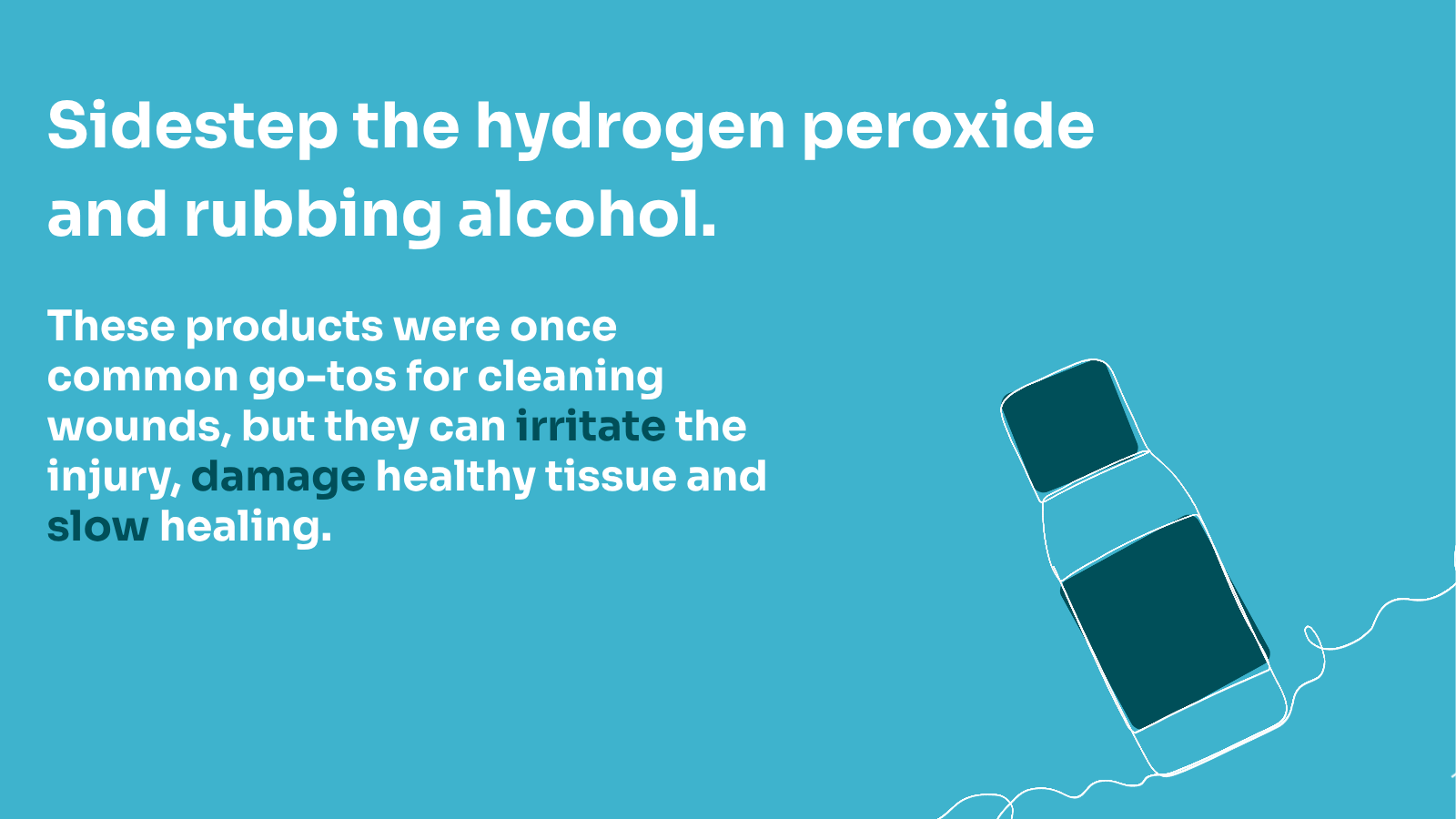
- Once bleeding slows, gently rinse the area under clean running water to remove dirt and debris.
- Pat the surrounding skin dry and apply a thin layer of petroleum jelly or antibiotic ointment. Many health care providers now recommend using petroleum jelly to keep the wound moist because it has a lower risk of allergic reactions than topical antibiotics.
- Cover the wound with a clean bandage, rolled gauze or gauze held in place with paper tape. (You can skip this step if you have a minor scrape or scratch.)
When does a cut need stitches?
Fortunately, not every cut needs stitches. But some wounds heal better when the edges are closed.
You may need stitches if your cut:
- Continues to bleed after 10 to 15 minutes of firm, direct pressure
- Has edges that gape open and won't stay together
- Is deep enough that you can see fat, muscle or bone
- Is on your face, hands, fingers or over a joint
- Is caused by broken glass, metal or another sharp object
- Is the result of an animal or human bite
In general, it's best to get stitches within several hours of the injury, although some wounds can safely be closed later depending on their location and how clean they are.
If you're not sure whether a cut needs stitches, it's better to have it checked sooner rather than later.
How should I care for a cut at home?
Many minor cuts heal well with simple home care. To help your wound heal:
- Keep the wound clean and covered with a fresh bandage. Change the covering at least once a day or whenever it becomes wet or dirty.
- Continue to apply thin layers of petroleum jelly to help keep the wound moist and support healing.
- Avoid picking at scabs or reopening the wound as it heals.
- Watch for signs of infection.
- Make sure your tetanus vaccination is up to date, especially if the cut was deep, caused by a dirty or rusty object, or you’re unsure when you last received a booster.
- If the wound is getting worse instead of better, or you’re concerned about how it’s healing, it’s a good idea to have it checked by a health care professional.
What are the signs a cut is infected?
Some redness and tenderness are normal during the first day or two. But worsening symptoms may signal an infection.
Keep an eye out for:
- Redness that continues to spread
- Increased pain or swelling
- Warmth around the cut
- Pus or cloudy drainage
- A foul odor
- Fever or chills
- Red streaks that extend away from the wound.
If you notice any of these signs, don’t wait. Early treatment can help prevent the infection from becoming more serious.
When is a cut an emergency?
Some injuries require emergency medical attention. Go to the nearest emergency department or call 911 if:
- Bleeding is heavy or won’t stop after applying firm, direct pressure
- The cut is deep and you can’t move the injured area normally, or you think you may have injured a tendon or nerve
- The cut involves your eye or genital area
- You have numbness, tingling or can’t move the injured body part
- A foreign object is stuck in the wound and can’t safely be removed
When should I go to urgent care for a cut?
Visit urgent care if:
- The cut continues to bleed, even if the bleeding has slowed
- You think you may need stitches
- You can't remove dirt, gravel, glass or other debris from the wound
- The injury was caused by an animal or human bite or by a dirty object
- You notice signs of infection
- You may need a tetanus shot
At Indigo Urgent Care, our clinicians can evaluate and treat scrapes and cuts, provide stitches when needed, update your tetanus vaccinations and help determine the next steps for healing. Whether you’re unsure if a cut needs stitches or worried it’s not healing properly, we’re here to help you get the care you need and get back to what matters.
Simply stop by one of our convenient Indigo locations or book a same-day or next-day appointment online, or meet with an Indigo Virtual Care clinician from the comfort of home, along the sidelines or wherever your summer adventures take you.
In person and virtually, we’re here from 8 a.m. to 8 p.m. every day, including weekends.
