
From long workdays and long commutes to sports injuries and spring-cleaning tasks gone wrong, back pain has a way of showing up when you least expect it. One wrong twist, one heavy lift or one too many hours in the yard, and suddenly your back is screaming for attention.
When that happens, relief is the priority. And one of the most common questions people ask is: Should I use heat or ice?
What are the types of back pain?
Before reaching for a heating pad or ice pack, it’s important to consider what may be behind your back pain.
Back pain generally falls into two categories:
- Acute pain tends to come on quickly and is often caused by a strain, awkward movement or a minor injury.
Telltale signs: Sudden, sharp pain or swelling
- Chronic pain lingers or returns over time and is often tied to muscle tension, posture or underlying conditions.
Telltale signs: Stiffness, tightness or a dull ache
The distinction matters – because it helps determine whether heat or ice will help most.
When should you use ice for back pain?
Ice is typically your go-to for new or sudden pain, especially within the first 48 hours – before inflammation has a chance to build.
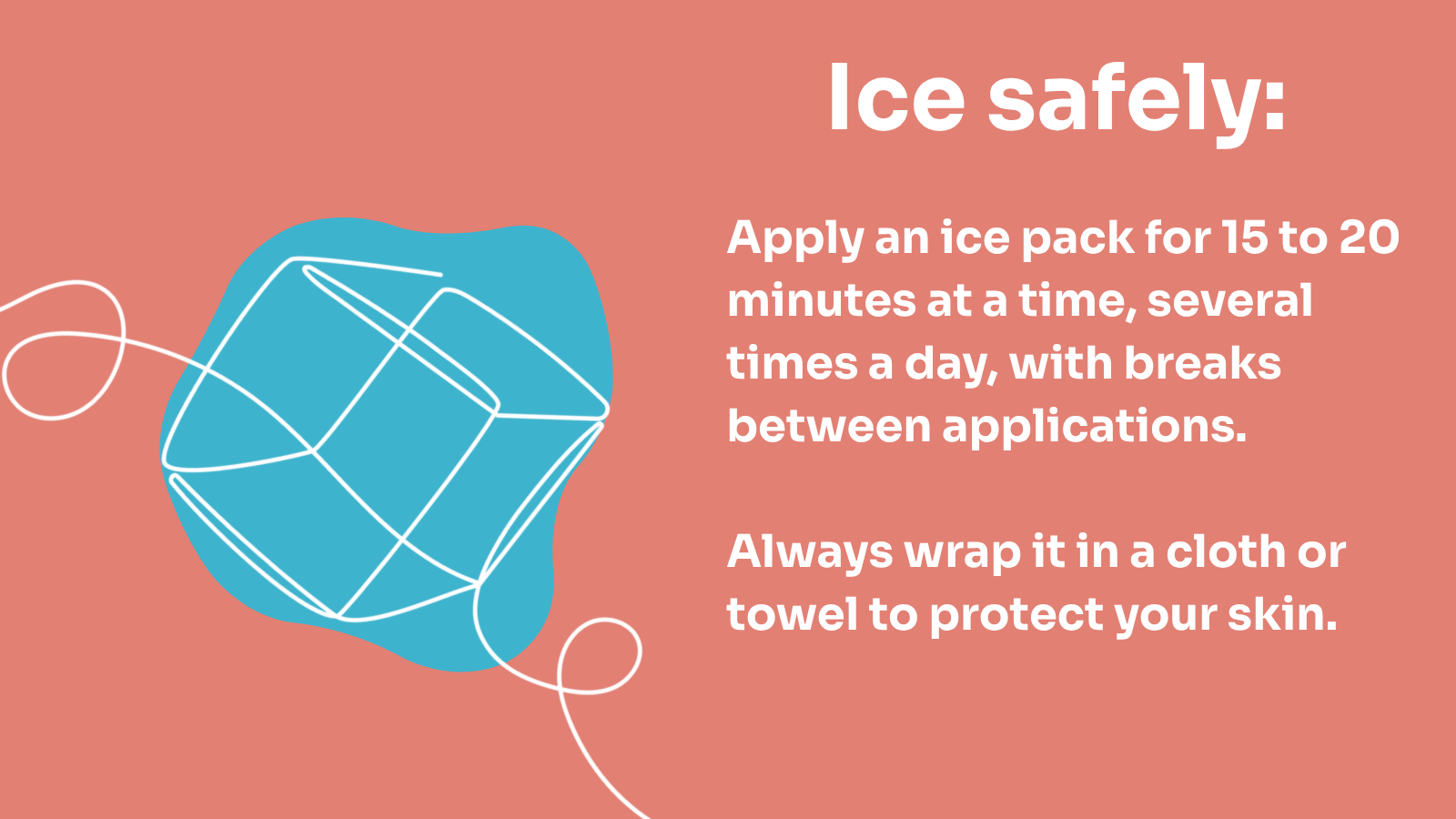
Cold therapy works by constricting blood vessels, which helps reduce inflammation and swelling. It also has a numbing effect that can dull pain signals and give your body a chance to settle down.
Ice is a good choice if:
- You recently lifted something heavy and felt a sharp pull
- Your back pain came on suddenly
- The area feels swollen, tender or warm
- Pain is intense or throbbing
When is heat better for back pain?
Heat is best for ongoing discomfort, stiffness or muscle tightness – especially after initial inflammation has eased.
Warmth increases blood flow to the area, which helps relax muscles, improve flexibility and support healing. It’s particularly helpful for people who wake up with a stiff back or feel tight after sitting for long periods. Heat doesn’t reduce inflammation the way ice does, but it can make a big difference in how your body feels and moves.
Heat can help when:
- Pain has lasted more than a couple of days
- Your back feels tight, sore or stiff
- You’re experiencing muscle spasms
- Movement feels restricted – without sharp pain
Use heat safely: Use a heating pad, warm compress or take a hot shower for 15 to 20 minutes. Avoid using heat on areas that are swollen, and never fall asleep while using a heating pad.
Not so easy to remember? Try this simple mantra: Ice for new pain; heat for when it lingers
Can you use ice and heat together?
For certain types of back pain, especially after the initial injury phase, alternating between heat and ice can provide the best relief for inflammation and muscle tension.
Also referred to as contrast therapy, the process is straightforward:
- Start with ice during the first 24-48 hours after an injury
- Switch to heat once swelling decreases and stiffness sets in
- Alternate if it feels helpful. For example, ice after activity and heat later to relax muscles
How your body responds is the best indicator of whether this approach is working.=
What else can you do to relieve back pain?
Ice and heat are helpful tools, but they work best when combined with other simple strategies:
- Gentle movement: It might not feel like the right move, but staying lightly active can help prevent stiffness and support recovery. Short walks or gentle stretching are great options.
- Over-the-counter pain relief: Used as directed, nonprescription medications like acetaminophen (Tylenol), ibuprofen (Advil, Motrin) and naproxen (Aleve) can help ease pain and swelling.
- Rest (within reason): It’s important to give your body time to recover, but extended bed rest can make back pain worse. Aim for balance rather than complete inactivity.
A few simple habits can help prevent future back pain:
- Check your posture: Ensure your workspace is ergonomic and maintain a neutral spine when standing or sitting.
- Practice proper lifting technique: Always bend at the knees, not the waist, and keep heavy items close to your body.
- Strengthen your core: A strong core supports the spine and reduces back strain.
- Maintain a healthy weight: Extra weight can put pressure on the spine.
When should you seek care for back pain?
Most back pain improves within a few days to a week with at-home care. But sometimes, it’s a good idea to get checked out.
Consider seeking medical care if:
- Pain lasts longer than a week or keeps coming back
- It’s severe or getting worse over time
- You experience numbness, tingling or weakness
- Pain follows a fall, accident or injury
- It’s interfering with your daily routine
Getting the right diagnosis can help you avoid prolonged discomfort and get back to normal activities sooner.
Indigo is here when back pain slows you down
If you’re experiencing back pain, Indigo Urgent Care can help.
We’re all about making sure you get the care you need, when you need it – without the long wait. Walk into one of our convenient neighborhood locations, book a same-day or next-day appointment online, or meet face-to-face with an Indigo Virtual Care clinician. However you choose to connect, we’re here from 8 am to 8 pm every day, including weekends.
During your visit, one of our friendly clinicians will evaluate your back pain and provide guidance on how to manage your specific symptoms. They can also suggest prevention tips and lifestyle changes that can help reduce your risk of future back pain. And if you need additional care, we’ll help connect you to the right specialist.
